Working in IT means living in a world of moving targets. Projects shift, new requests come in, and things rarely go exactly as planned. But one thing that keeps me and my team on track is deadlines. They are not just dates on a calendar. They are the structure that holds our work together and keeps us aligned with clients and each other.
I manage IT projects in Dubai, and we deal with a lot of external vendors and partners. Without deadlines, it would be chaos. Everyone would be pulling in different directions, and we would constantly be firefighting. Over the years, I have realized that deadlines are not the enemy. They are actually the framework that allows creativity and progress to happen.
Deadlines Create Clarity
A deadline answers the most basic but most important question: when. When will the report be ready, when will the system go live, when will the testing finish. Without that answer, people end up working with vague goals, and vague goals rarely get done.
I’ve noticed this with my team many times. If I tell them “let’s finish this soon,” nothing really moves. But the moment I say “let’s close this by Thursday,” everyone’s focus sharpens. It’s not pressure for the sake of pressure. It’s simply clarity. And clarity reduces stress.
Organization for Me and the Team
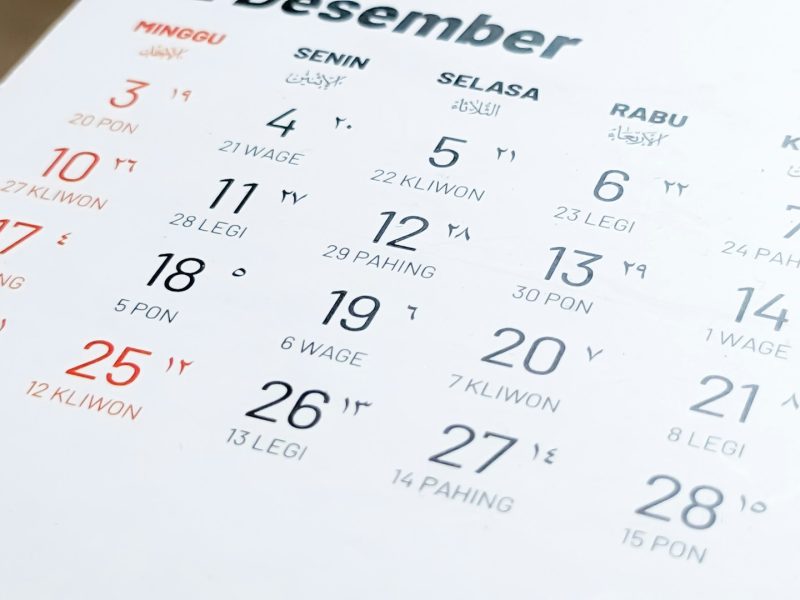
Personally, deadlines keep me sane. With multiple projects running at once, my to-do list could easily spiral out of control. When I know the exact dates for each task, I can prioritize properly. I can look at my calendar in the morning and know exactly what the day should look like.
For the team, deadlines act like a roadmap. They know what needs to be tackled first, what can wait, and how their work connects to the larger project. It avoids confusion, and it makes collaboration smoother. Everyone is on the same page.
Accountability Without Micromanagement
As a manager, I don’t want to hover over my team all the time. That doesn’t help anyone. But I do want accountability. Deadlines provide that balance. Once we agree on a date, everyone knows they are responsible for delivering by then.
It also helps me track progress without nagging. If something is due on Friday and it’s Wednesday, I can simply check in to see if we’re on track. The deadline itself creates a natural checkpoint.
Building Trust With Clients
In Dubai, the business culture is very relationship-driven. Clients need to know that they can rely on you. Meeting deadlines consistently is one of the fastest ways to build that trust. It shows that we are serious, disciplined, and respectful of their time.
Of course, there are times when things slip. Technology can be unpredictable. But even in those moments, if we communicate early and set a revised deadline, clients still appreciate the transparency. They would rather know what to expect than be left in the dark.
The Discipline of Saying No
One of the hidden benefits of deadlines is that they force us to say no. When a project has a clear timeline, it becomes easier to push back on unrealistic requests. I can say, “we can do this, but it will delay that,” and the choice becomes clear for everyone.
Without deadlines, everything feels open-ended, and people keep adding tasks. That leads to burnout. A deadline is like a healthy boundary. It keeps the scope in check.
Personal Growth Through Deadlines
I’ll admit, when I was younger in my career, deadlines felt like a burden. I used to see them as restrictions. But over time, I realized they were shaping me into someone more reliable and efficient.
Deadlines taught me time management. They taught me how to break big goals into smaller steps. They taught me to anticipate risks early and not leave things for the last moment. In short, they made me grow as a professional.
Balancing Flexibility and Structure
Of course, not all deadlines are equal. Some are hard, like system cutovers that must happen on a certain weekend. Others are softer, like an internal review date that can shift if needed.
The trick is knowing the difference. If I treat every deadline as life-or-death, the team will burn out. If I treat every deadline as optional, nothing will get done. Finding that balance is an ongoing skill.
I often tell my team: deadlines are guides, not shackles. They give us direction, but we still have room to adapt when things genuinely change.
The Human Side of Deadlines
There’s also a human element that people don’t always talk about. Deadlines bring energy. When a team is working towards a date together, there’s a sense of shared purpose. We count down together, we hustle together, and we celebrate together when we deliver.
I’ve seen the morale boost that comes after a big deadline is met. It creates momentum for the next one. It builds a culture of achievement.
Lessons I’ve Learned
Here are a few practical lessons I’ve picked up about deadlines over the years:
- Always set them early – Work expands to fill the time given. If you wait to set a date, the work will drift.
- Break big deadlines into smaller ones – A project with only one final date will feel overwhelming. Small checkpoints keep people moving.
- Communicate often – Deadlines without updates are risky. Regular check-ins make sure there are no surprises.
- Be realistic – A deadline that everyone knows is impossible does more harm than good. It kills motivation.
- Celebrate success – When the team delivers on time, acknowledge it. Positive reinforcement makes deadlines something people respect, not fear.
Closing Thoughts
At the end of the day, deadlines are not about pressure. They are about structure, clarity, and respect. They respect the client’s time, the team’s effort, and my own sanity as a manager.
Working in IT in Dubai, with so many moving parts and external dependencies, I cannot imagine my work without deadlines. They are the difference between organized progress and uncontrolled chaos.
So the next time you feel weighed down by a deadline, try flipping the perspective. Instead of seeing it as a chain, see it as a guidepost. It’s there to help you, not hurt you. And if used wisely, deadlines can make your work life not just more productive, but more meaningful.